Exploring the Unique Appeal of Pink Wagyu Honey Oil in Cannabis Concentrates
@getpinkwagyuhoneyoildigest
October 16, 2026 · 8 min read
If you have spent any time browsing the online dispensary landscape lately, you have probably noticed a new name popping up in concentrate circles: pink wagyu honey oil. It sounds more like a gourmet steak rub than a cannabis product, and that is part of its charm. I first came across it while scrolling through KushStation's strain profiles, and the name alone made me stop. But after digging into the lab testing and talking to a few fellow enthusiasts, I realized this was not just clever branding. It represents a thoughtful approach to solventless extraction and terpene preservation that more people should understand.
Let me walk through what makes pink wagyu honey oil stand out, how it fits into the broader world of honey oil, and why paying attention to things like batch numbers and third-party COAs matters more than ever. Whether you are new to cannabis concentrates or a veteran who has been dabbing for years, there is something here worth knowing.
What Exactly Is Honey Oil?
Honey oil sits in a interesting place between traditional extracts and full-on live resin. It is not quite a solvent-based extract, but it is also not a simple pressed rosin. The goal is to capture the full spectrum of cannabinoids and terpenes while keeping the final product fluid enough to work with easily. Many producers use a combination of cold filtration and gentle heat to separate trichomes from plant material without breaking down delicate compounds.
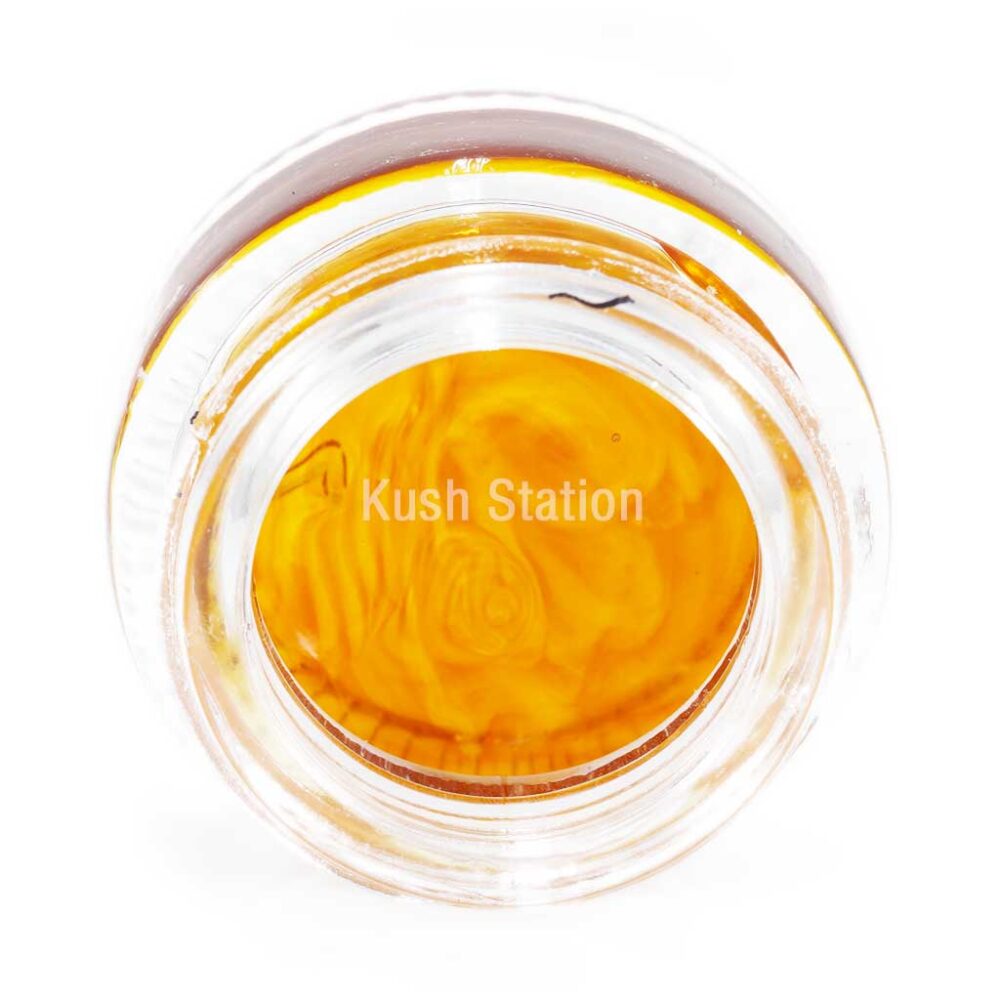
What you end up with is a golden to amber liquid that can be dabbed, vaped, or even added to joints. The consistency is thinner than standard concentrates, which makes it popular for filling vape cartridges or dosing precise amounts. For someone who values terpene preservation, honey oil often delivers a more aromatic experience than harder extracts that have been through more aggressive processing.
The Pink Wagyu Difference
The "pink wagyu" part refers to a specific genetic lineage that originated from a cross between a pink-hued landrace strain and a high-THC wagyu variety. The name is not just for marketing. The genetics produce a distinctive profile: dense trichome coverage, a high ratio of myrcene and limonene, and a color that leans toward pinkish-amber when extracted properly. When you see pink wagyu honey oil on a menu, you are looking at a product that started with intentional breeding for both potency and flavor.
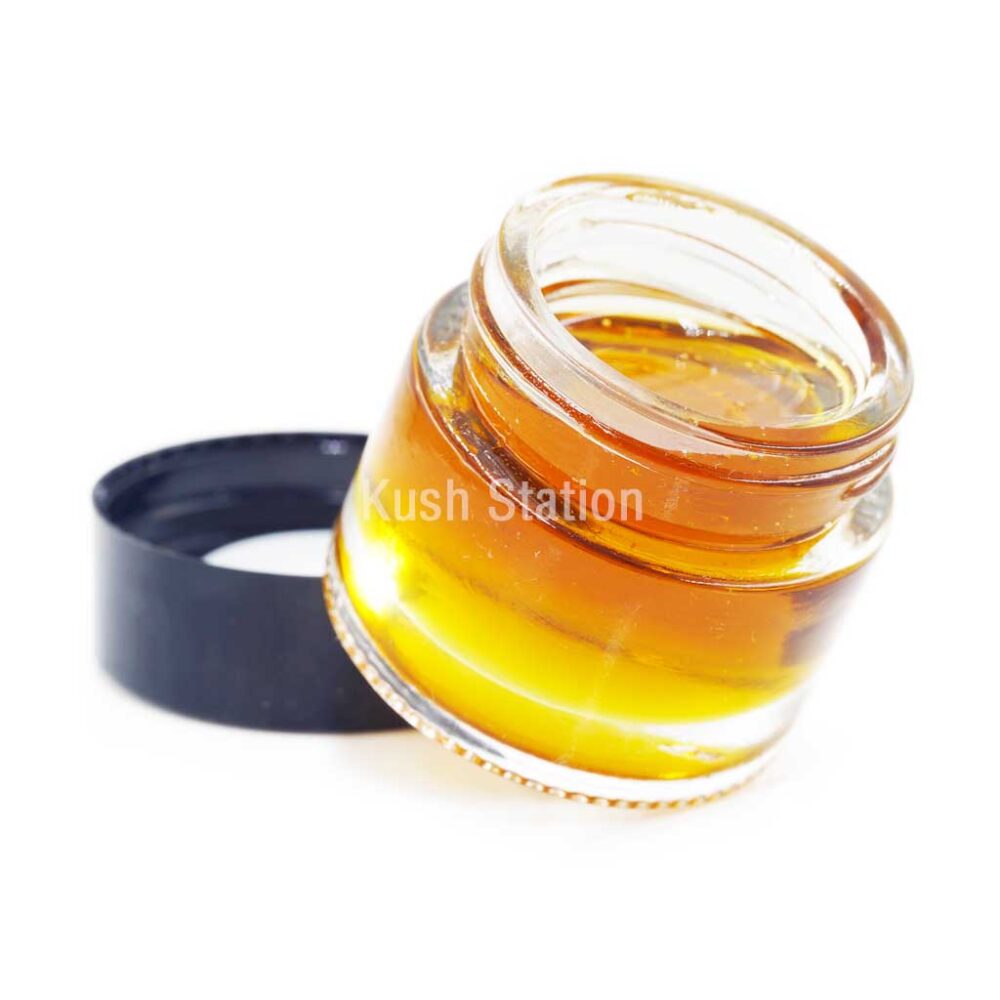
I remember the first time I tried a batch from KushStation. The batch number on the label led me to a third-party COA that showed over 78% total cannabinoids, with a respectable 2.3% terpene content. That level of transparency is not universal in the concentrate world. Many shops just list a THC percentage and call it a day. Seeing the full breakdown gave me confidence that the solventless extraction method used here was not just a buzzword.
Pink wagyu honey oil tends to lean toward the indica side of the spectrum, though some batches come from sativa strains or have hybrid ratios that shift the effect. The terpene profile I have seen most often includes notes of sweet cream, pine, and a faint berry undertone. It is smooth on the throat, which makes it a good candidate for lower-temperature dabs on a quartz banger or in a ceramic coil vaporizer.
Why Solventless Extraction Matters
Solventless extraction is exactly what it sounds like: no butane, propane, ethanol, or CO2 is used to strip cannabinoids from the plant. Instead, mechanical methods like ice water agitation, ultrasonic separation, or gentle heat and pressure do the work. The benefit is that the final product contains nothing but what the plant produced. There is no risk of residual solvents, and the flavor profile stays truer to the original strain.
For someone who vapes or dabs frequently, the difference is noticeable. A solventless honey oil will taste clean even at higher temperatures. You get the full expression of the strain without a chemical aftertaste. It also tends to be easier on the lungs, which matters if you are using a dab rig multiple times a day.
The trade-off is yield. Solventless methods recover less total material than solvent-based ones, which is why these products often cost more. But for many buyers, the purity is worth the premium. When you are paying for cannabinoid potency, you want every milligram to count.
Lab Testing and Legal Compliance
Legal compliance in the cannabis industry is not optional, but the level of detail in testing varies wildly between producers. A reputable online dispensary like KushStation will provide batch-specific lab reports that confirm not just THC content but also the absence of pesticides, heavy metals, and microbial contaminants. This is where third-party COAs become essential. A COA from the producer's own lab is better than nothing, but an independent test removes any conflict of interest.
When I look at a honey oil product, the first thing I check is whether the batch number on the jar matches the one on the COA. I have seen cases where a shop posts a generic certificate that does not correspond to what is in the glass jar. That is a red flag. Legitimate operators make the connection easy, often by printing the batch number directly on the label alongside the strain name and THC content.
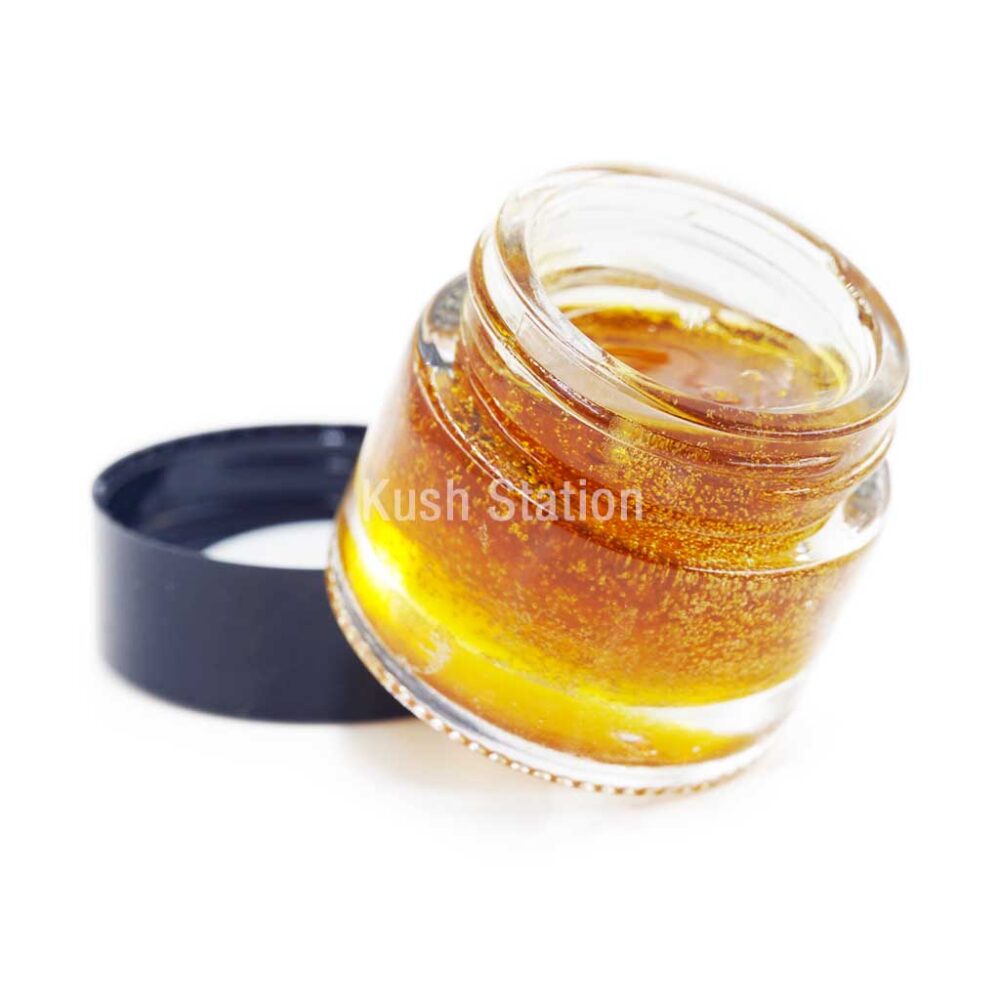
Batch numbers also help you track consistency. If you try a batch of pink wagyu honey oil and love it, you can look for the same batch number on your next order. If the shop rotates stock, you can compare COAs to see how the new batch differs. Over time, you learn which strain profiles and terpene levels suit your preference best.
Strain Profiles and Choosing the Right One
Not all honey oil is created equal, and strain selection plays a huge role in the final experience. Indica strains tend to produce a more sedating effect with earthy, skunky terpenes. Sativa strains bring energy and brighter, fruitier notes. Hybrid ratios split the difference. When you are shopping for pink wagyu honey oil, the strain profile matters as much as the extraction method.
From what I have seen, the pink wagyu genetics are most often expressed in indica-dominant hybrids. The high is heavy but not dull, with a noticeable body buzz that sets in after a few seconds. If you are using a vaporizer at around 380 degrees Fahrenheit, you get the full flavor without sacrificing potency. For dab rig users, a low-temperature hit around 500 degrees preserves the terpenes and avoids the harshness that comes with overheating.
One practical tip: store your honey oil in a cool, dark place. The consistency can thin out if it gets too warm, and terpenes degrade faster when exposed to light. Glass jars with airtight lids are ideal. Some producers ship in syringes or silicone containers, but glass is better for long-term storage.
Understanding Cannabinoid Potency
Cannabinoid potency is more than just a number on a label. Total cannabinoids include THC, CBD, CBG, and dozens of minor compounds that modulate the overall effect. A product with 80% THC but very little else might hit hard but feel one-dimensional. A honey oil with 70% total cannabinoids and a richer minor-cannabinoid profile can provide a more rounded experience.
Lab testing gives you that breakdown. When I look at a COA for pink wagyu honey oil, I pay attention to the CBD and CBG percentages, even if they are small. They influence how the THC interacts with your endocannabinoid system. A little CBD can buffer anxiety, while CBG may enhance the entourage effect. It is not just about getting high; it is about feeling good.
Dabbing and Vaping Best Practices
If you are new to honey oil, start with a small dab. The consistency is runnier than wax or shatter, so you need to be careful not to overload your tool. A rice-grain-sized amount is plenty for a beginner. Heat your nail or banger to the right temperature, let it cool for 30 to 45 seconds if you are using quartz, and then apply the oil. You want vapor, not smoke.
For vaporizers, look for models with ceramic or quartz heating elements. They distribute heat evenly and do not impart any flavor. Avoid coils that run too hot, as they can burn off the delicate terpenes you are trying to enjoy. A good vaporizer will let you adjust temperature in five or ten degree increments, which makes a real difference when you are dialing in the perfect hit.
The Bottom Line
Pink wagyu honey oil is a good example of how far cannabis concentrates have come. It combines intentional genetics, careful extraction, and transparent testing into a product that delivers on both flavor and effect. Whether you order from KushStation or another reputable online dispensary, the key is to look for the details: batch numbers, third-party COAs, and clear strain profiles. Those details separate a premium product from something that just sounds fancy.
If you have not tried honey oil yet, pink wagyu is a solid place to start. The solventless extraction preserves what the plant worked so hard to produce, and the genetics ensure that what you are getting has been refined over multiple generations. Just remember to store it properly, check the lab results, and enjoy it at a temperature that lets the terpenes shine. That is the whole point.